

Undergoing hip replacement surgery often brings significant pain relief and improved mobility, but like any major medical procedure, it carries potential risks. Understanding possible complications helps patients recognize warning signs early, follow preventive guidance, and plan for recovery with realistic expectations. Informed awareness also supports better decision-making around follow-up care, insurance coverage, and long-term costs.
Common and Less Common Post-Surgical Complications
Most patients recover without serious issues, yet complications can occur during the early healing phase or years later. Some are minor and temporary, while others may require additional treatment. Knowing the difference empowers patients to act quickly and seek appropriate care without unnecessary anxiety.
Infection and Wound Issues
Infection is one of the most concerning complications after hip replacement, though it is relatively uncommon. It may occur near the incision site or deeper around the implant. Symptoms can include redness, swelling, fever, or persistent pain. Prompt treatment with antibiotics or, in severe cases, additional surgery is essential.
Preventing infection involves careful wound care, attending follow-up appointments, and understanding which post-operative services are covered by insurance. Comparing providers and treatment settings with clear cost details can help patients avoid unexpected expenses during recovery.
Blood Clots and Circulation Problems
Blood clots in the legs, known as deep vein thrombosis, can develop after surgery due to reduced movement. Doctors often prescribe blood-thinning medications and encourage early walking to lower this risk. Compression stockings and leg exercises are also commonly recommended.
Managing these preventive measures may involve medication costs and medical supplies. Patients who use transparent pricing tools are better equipped to compare pharmacies, therapy services, and home-care options, reducing financial stress while prioritizing safety.
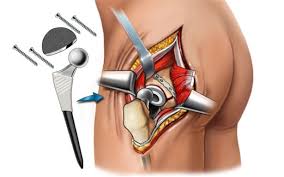
Joint Dislocation and Implant Issues
In the months following hip replacement, the new joint can sometimes dislocate if movements exceed recommended limits. This risk is highest early on, when muscles and tissues are still healing. Following movement precautions and participating in physical therapy significantly reduces the likelihood of dislocation.
Over the long term, implants may loosen or wear down, especially in highly active individuals. While modern implants are durable, understanding potential future revision costs helps patients plan ahead and choose follow-up care wisely.
Pain, Stiffness, and Nerve Concerns
Some patients experience ongoing pain or stiffness after surgery. This may be related to scar tissue, muscle weakness, or alignment issues. In rare cases, nearby nerves may be irritated or damaged, leading to numbness or tingling.
Addressing these issues often involves additional therapy or diagnostic tests. Resources like jforh.com frequently emphasize how comparing rehabilitation programs and specialists can help patients find effective solutions without overspending.
Allergic Reactions and General Health Risks
Although rare, allergic reactions to implant materials can occur. Symptoms may include unexplained pain or inflammation. Additionally, general surgical risks such as anesthesia reactions or cardiovascular strain may affect patients with underlying health conditions.
Being proactive about pre-surgical evaluations and post-operative monitoring reduces these risks. Clear communication with healthcare providers, paired with cost transparency, ensures patients receive appropriate care without financial surprises.
Long-Term Awareness and Prevention
Understanding recovery principles linked to postoperative care can help patients recognize normal healing versus potential complications. Education encourages adherence to exercise routines, medication schedules, and lifestyle adjustments that protect the joint.
While hip replacement is widely considered safe and effective, awareness of possible complications allows patients to respond quickly and confidently. With the right information, careful planning, and access to clear healthcare comparisons, individuals can safeguard both their physical recovery and their financial well-being as they move forward.


