
Businesses across many industries are investing in smarter security systems to protect valuable assets, reduce theft, and improve operational safety. As security threats continue to evolve, many companies are moving beyond traditional surveillance and choosing live video monitoring for stronger real-time protection. One of the most common questions business owners ask before upgrading their security system is how much this type of service typically costs.
The price of a monitored security solution can vary significantly depending on the size of the property, the number of cameras installed, the level of monitoring required, and the technology included in the system. Understanding the factors that influence pricing can help businesses choose the right solution for their security needs and budget.
Factors That Affect the Cost of Live Video Monitoring
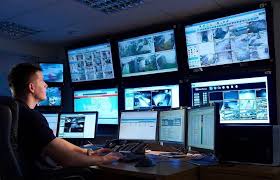
The overall cost of live video monitoring depends on several important components. Unlike basic CCTV systems that only record footage, monitored systems involve advanced analytics, cloud-based technology, and trained live agents who actively respond to suspicious activity. Most businesses pay for two main categories: equipment and monthly monitoring services. Equipment costs may include cameras, networking hardware, storage systems, lighting, speakers for two-way communication, and installation. Monitoring fees usually cover 24/7 surveillance oversight, alarm verification, and emergency response coordination.
Property Size and Camera Coverage
One of the biggest factors affecting pricing is the size of the property being monitored. Larger facilities require more cameras and broader surveillance coverage, increasing both equipment and monitoring costs. For example, truck yards, construction sites, storage facilities, and auto dealerships often need multiple high-definition cameras positioned across entry points, parking areas, fences, and restricted zones. Businesses with large outdoor assets typically require advanced monitoring systems capable of tracking movement across wide areas. Smaller commercial properties may only need a few cameras and limited monitoring coverage, resulting in lower monthly service fees.
Advanced Analytics and Smart Features
Modern live video monitoring systems often include intelligent analytics designed to improve detection accuracy and reduce false alarms. Features such as motion filtering, license plate recognition, perimeter detection, and activity tracking can affect the overall cost of the system.
Businesses that require higher security levels may choose more advanced software capable of identifying unusual behavior patterns and generating real-time alerts. While these features can increase upfront expenses, they often provide greater long-term value by improving security efficiency and reducing unnecessary emergency responses. Providers such as eaglevisionsecurity.com offer systems that combine live monitoring professionals with advanced analytics to help businesses maintain proactive protection around the clock.
Monitoring Hours and Response Services
Another major pricing factor involves the level of live monitoring required. Some businesses only need surveillance during non-business hours, while others require continuous 24/7 oversight. A company operating a construction site may only need nighttime monitoring to prevent after-hours theft, while a storage facility or industrial property may require full-time monitoring because of constant activity and multiple access points. Additional services such as live audio intervention, law enforcement coordination, and custom reporting may also influence monthly costs. Businesses seeking more proactive response capabilities often invest in higher-tier service packages.
Comparing Costs to Traditional Security
Although live video monitoring may appear more expensive than standard CCTV systems at first, many businesses find it more cost-effective in the long run. Traditional surveillance cameras mainly provide recorded footage after incidents occur, while monitored systems actively help prevent theft, vandalism, and unauthorized access.
Companies can also reduce expenses associated with on-site security guards by using remote monitoring solutions. One monitoring center can oversee multiple locations simultaneously, helping businesses maintain strong security coverage without hiring large security teams. In many cases, businesses may also benefit from lower insurance risks and fewer operational disruptions due to criminal activity.
Long-Term Value for Businesses
The cost of modern surveillance technology should be viewed as an investment in protection and operational stability. Industries with valuable outdoor assets often experience significant financial losses when theft or vandalism occurs. Preventing even a single major incident can offset the cost of a monitoring system.
Advancements in Internet of Things technology continue to improve the efficiency and reliability of security systems, making modern monitoring solutions more accessible for businesses of all sizes. As security demands increase, more companies are turning to live video monitoring for reliable, proactive protection. While pricing varies depending on property size, technology, and service level, businesses gain stronger security, faster response times, and improved peace of mind through real-time surveillance solutions tailored to their specific operational needs.

)
)