

pcb circuit board assembly handle moisture and humidity
Moisture and humidity pose significant challenges to electronic devices and systems, potentially causing corrosion, electrical shorts, and malfunctions in PCB (Printed Circuit Board) circuit board assembly. Therefore, effective measures must be taken to mitigate the impact of moisture and humidity on PCB assemblies and ensure their reliability and longevity in various environments.
One of the primary methods used to protect pcb circuit board assembly from moisture and humidity is the application of conformal coatings. Conformal coatings are thin, protective layers applied to the surface of PCBs to seal them from environmental contaminants, including moisture, dust, and chemicals. These coatings provide a barrier against moisture ingress, preventing it from reaching sensitive electronic components and traces on the PCB assembly. Common conformal coating materials include acrylics, epoxies, silicones, and polyurethanes, each offering different levels of protection and compatibility with various operating conditions.
In addition to conformal coatings, PCB circuit board assembly may incorporate other moisture-resistant materials and techniques to enhance protection against humidity. For example, moisture-resistant PCB substrates, such as FR-4 with a moisture-resistant finish, can help prevent moisture absorption and degradation of the PCB assembly over time. Similarly, moisture-sealed enclosures and gaskets can be used to create a sealed environment around the PCB assembly, minimizing exposure to external moisture and humidity.
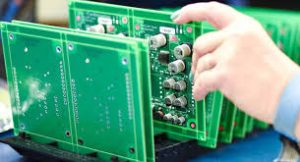
How do pcb circuit board assembly handle moisture and humidity?
Moreover, PCB assembly techniques can be optimized to minimize the risk of moisture-related issues. For instance, proper soldering techniques and materials can help create robust electrical connections that are less susceptible to corrosion and degradation in humid environments. Similarly, the use of moisture-sensitive components, such as surface-mount devices (SMDs), may require careful handling and storage to prevent moisture absorption and subsequent damage during assembly and operation.
Furthermore, PCB circuit board assembly may incorporate humidity sensors and monitoring systems to detect and mitigate moisture-related issues in real-time. Humidity sensors can be integrated into the PCB assembly to measure ambient humidity levels and trigger alarms or corrective actions if levels exceed predetermined thresholds. Additionally, moisture-absorbing desiccants or humidity-control devices can be included in PCB enclosures to maintain optimal humidity levels and protect sensitive components from moisture damage.
Despite these measures, PCB circuit board assembly may still be susceptible to moisture and humidity-related issues in certain environments, such as outdoor applications or high-humidity environments. In such cases, additional precautions may be necessary, such as hermetically sealed enclosures, conformal coating thickness optimization, or specialized moisture-resistant materials and coatings.
In conclusion, handling moisture and humidity in PCB circuit board assembly requires a multifaceted approach that encompasses materials selection, assembly techniques, coatings, and environmental controls. By implementing effective moisture-resistant measures and monitoring systems, PCB assemblies can be protected from the adverse effects of moisture and humidity, ensuring their reliability and performance in diverse operating conditions. As technology continues to evolve, advances in materials science, assembly techniques, and environmental monitoring will continue to improve the resilience of PCB assemblies to moisture-related issues, further enhancing their suitability for a wide range of applications.


