

Determine the Cost of Flex Circuit PCBs
There are several factors that determine the cost of flex circuit PCBs. For example, the type of material used will have an impact on the price. Choosing cheaper materials may lower the overall cost, but they can also affect the board’s mechanical properties, temperature reliability, and signal performance. The thickness of the copper traces will also affect the price of the board. In general, thicker traces are more expensive than thinner ones. Additionally, the use of multiple surface finishes will increase the cost of a flex circuit.
Another factor that can impact the cost of a flex circuit pcb is its size. If a project requires a large printed circuit board, the production costs will be higher than for a smaller one. However, reducing a PCB’s size to save on costs can significantly reduce its durability and mechanical performance.
Rigid flex circuit pcb typically have 20 layers or less. This is because they are made up of rigid sections and flexible sections that are held together with adhesives. Rigid sections are usually constructed from FR-4 or polyimide, while the flexible section is often made of a thin conductive layer called a dielectric. The layers are joined together using a heat-cure epoxy or pressure sensitive adhesive.
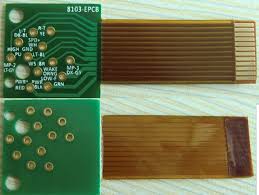
Factors That Determine the Cost of Flex Circuit PCBs
The type of adhesive used to bond surface mount components will also influence the cost of a flex circuit board. While acrylic and epoxy are the most common adhesives, some manufacturers prefer to use a thermally cured or pressure-sensitive material. Another important factor is the number of drill holes in a flex circuit board. If the holes are too small, it will be difficult to install components. In addition, the diameter of the holes will determine how much space is available for soldering. Generally, larger holes are easier to use and are more reliable than smaller ones.
Several other factors may contribute to the cost of a flex circuit pvc, including the amount of space for soldering, the thickness of the conductors, and the type of plating used. For example, a metallization pattern that uses solid copper will be more expensive than one that utilizes hatched copper. Selective plating can also be more expensive than standard plated finishes. Finally, the manufacturing process will also impact the cost of a flex circuit board. For instance, if the boards are manufactured by hand rather than in a machine, the cost will be higher.
Although rigid PCBs are still widely used, flex circuits offer a number of advantages over traditional designs, especially in high-density applications. The ability to bend and twist a flex circuit can reduce the need for connectors and wire harnesses, which can decrease both the cost of materials and assembly time. In some cases, a flex circuit can eliminate the need for additional components altogether, cutting down on both labor and inventory expenses. However, a flex circuit’s initial cost will be higher than that of a rigid PCB. Before you place an order, you should consult with multiple PCB board houses to understand the pricing and fabrication options for both rigid and flex circuits.


