

Individuals Participate in the Carbon Credit Market
Carbon credits are a great tool to help individuals and businesses get closer to carbon neutrality. They can be earned or purchased on the voluntary market or in regulatory markets like California’s cap and trade program.
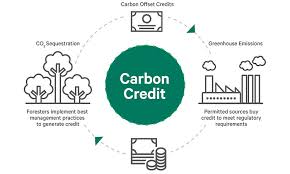
Essentially, for every metric ton of CO2 captured, reduced, or avoided, you can earn one credit. The projects that generate these credits do so by measuring, reducing, or eliminating emissions from their operations. Once verified by a third party, the credits are then sold to entities that emit GHGs – like businesses and consumers – to offset their emissions.
Aside from avoiding or removing GHGs from the atmosphere, these types of projects can also generate additional ‘co-benefits’ such as poverty alleviation, better water quality and social equality. This makes them a fantastic investment for any investor looking to make a positive impact in the world.
As with any commodity, there is a lot of money to be made by those who are willing and able to invest in the carbon credit market. Some people and companies choose to buy their carbon credits from a broker who sells them on their behalf. Others prefer to purchase directly from a project developer that already has their own inventory of credits ready for sale. Both options have their advantages and disadvantages in terms of price, volume and availability, as well as their ability to influence or evaluate credit quality.
How Can Individuals Participate in the Carbon Credit Market?
To ensure that they are purchasing high quality credits, buyers should be sure to review the methodologies that are used by the programs they are participating in. It is also a good idea to research independent rating agencies that can verify the integrity of each project’s reduction methods through desk research, satellite monitoring and field visits. This can help buyers to determine whether the projects they are considering will meet their needs and their own internal climate targets.
In addition, carbon credits are only valid for a limited time. Once the credits have been used to offset the GHGs of a particular company, they are moved to a register for retired credits, making them no longer tradable. This is a key aspect of the regulations that govern carbon markets in places like China, California and a number of European countries.
For individuals, the best way to start getting involved in the carbon credit market is to find a credible and accredited broker that specializes in the industry. A broker can help you to locate the types of projects that may be right for your business and goals, as well as to assess their carbon project portfolios. They can also offer guidance on conducting a baseline assessment and reviewing the criteria for what constitutes additionality for each of your potential reduction activities. This can include things like converting to no-till farming practices, which would lead to significant carbon sequestration in the soil. As the demand for carbon credits continues to rise, it is more important than ever that we all take part in the carbon credit market by investing in projects that are environmentally, socially and economically responsible.


