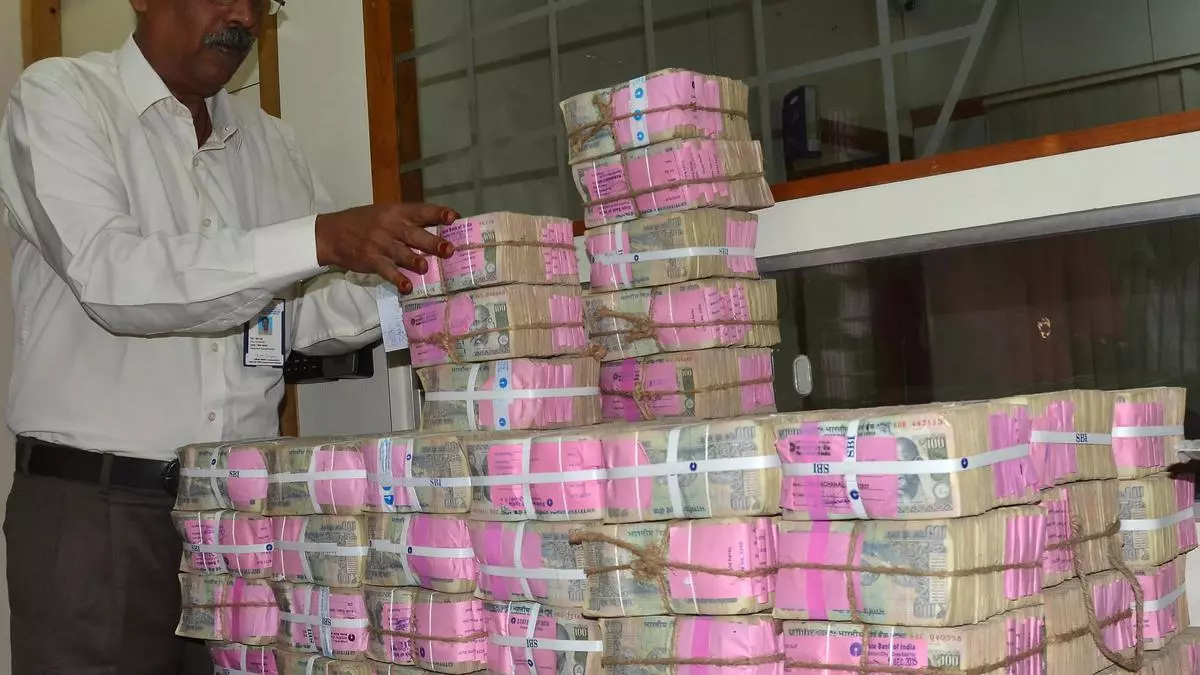
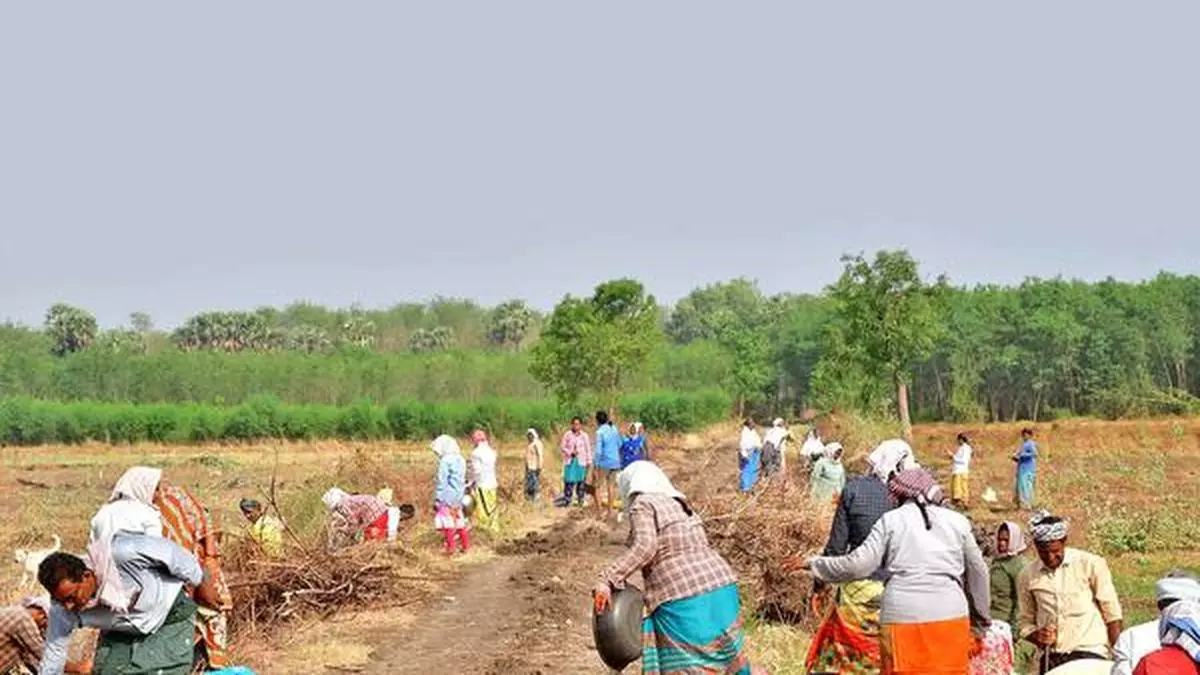

Fuelled by the robust demand growth in rural India, the overall agricultural credit flow this fiscal is expected to surpass ₹28-lakh crore, K V Shaji, Chairman, NABARD said on Sunday.
This expected improved level of credit flow, which will be much higher than projected aim of about ₹25-lakh crore, is likely to bolster overall agriculture growth this fiscal, Shaji said on the sidelines of the Grameen Bharat Mahotsav 2025, jointly organised by NABARD and Department of Financial Services (DFS) in the capital.
If this anticipated milestone in rural credit flow were to be achieved, it would be the second straight year of outperformance on this front, according to NABARD officials. In 2023-24, the actual rural credit flow touched ₹25.49-lakh crore, much higher than the earlier set aim of about ₹21-lakh crore, they said.
“Rural growth this year is evident. The growth in demand is more in rural areas than in urban areas this fiscal. That means rural urban divide is converging (gap is getting bridged). We need to fast track this and further bring down the gap through rural growth”, Shaji said.
Shaji said that time has come to leverage the infrastructure created in rural India through government interventions and capex spend to fuel rural growth.
“From enhanced infrastructure under the Prime Minister Gram Sadak Yojna to electrification, digital connectivity, and GI tagging of rural products, rural India is bridging the gap with urban areas. The increasing demand in rural areas highlights the need to fast-track development and leverage these advancements for a stronger, inclusive economy”, Shaji added.
He noted that Agriculture credit growth in last ten years has averaged 13 percent.
Shaji observed that the sharp decline in reliance on informal credit sources might be contributing to the robust growth in overall rural credit within the economy.
“Access of credit from informal sources is falling drastically, which means formalisation of rural credit. That itself will leave lot of margins in the hands of rural people. Formalisation of agri credit through interest subverted loans like Kisan credit cards, agri infrastructure fund scheme that has capped interest rates are proving useful in providing affordable credit to farmers”, he noted.
A recent Monthly Economic Report by the Finance Ministry for November 2024 had highlighted that consumption growth this fiscal was driven by sustained rural demand, even though urban demand softened in Q2 of FY24-25.
Indications of rural demand such as 2-wheeler sales, 3-wheeler sales and tractor sales grew by 14 percent , 7.6 per cent and 4.33 per cent y-o-y, respectively in April-November 2024.
It highlighted that agriculture and services sector emerged as a major growth driver in Q2 and H1 of FY25. Healthy Kharif production, above normal monsoons and an adequate reservoir level supported agricultural growth.
Supporting Innovation
Shaji noted that the next round of improved productivity in agriculture should come via innovation. “Innovation needs to be supported and for that venture capital needs to be deployed. Already NABVENTURES Fund I for ₹700 crore has been deployed”, he said.
NABVENTURES Ltd, a wholly owned subsidiary of NABARD, plans to next year launch a ₹1,000 crore NABVENTURES Fund II for supporting rural focused climate related ventures, Shaji said.