
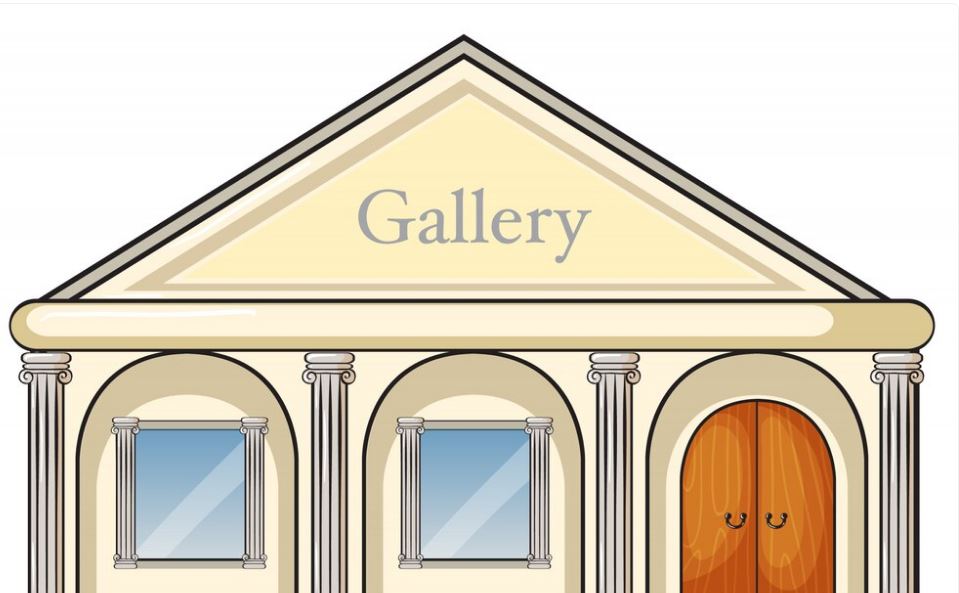

The pediment stands out as a particularly distinctive feature in the vast tapestry of classical architecture, adorning everything from Renaissance masterpieces to ancient Greek temples. Standing atop columns, this triangular gable tells stories about gods, heroes, and the universe in addition to being a decorative element.
The Pediment’s Origins
Pedestals, which originated in ancient Greece, were used to adorn the facades of temples, most famously the Parthenon, where they framed elaborate sculptures telling stories from mythology. Divine sagas were brought to life in the tympanum, the recessed area inside the pediment that was used as a storytelling arena. This architectural element represented the Greeks’ quest for balance and proportion and was more than just ornamental.
Architectural Reference Table: Triangular Gable (Pediment)
| Feature | Description |
|---|---|
| Architectural Term | Pediment (Triangular Gable) |
| Origin | Ancient Greece (circa 580 BCE) |
| Function (Historic) | Structural support for pitched roofs; symbolic and decorative use |
| Key Elements | Tympanum (triangular inner space), Cornice, Raking Cornice, Entablature |
| Iconic Examples | Parthenon (Athens), Pantheon (Rome), US Supreme Court (Washington, D.C.) |
| Variations | Broken, Curved, Open, Segmental, Florentine |
| Modern Adaptations | Decorative use over windows, doors; found in Neoclassical and Federal styles |
| Symbolic Meaning | Power, stability, tradition, and reverence |
| Common Materials | Marble, limestone, plaster, concrete |
Roman Modifications and Advancements
The pediment changed as different architectural traditions entered Rome. The Romans adopted the style but added their love of opulence, creating variations such as segmental and broken pediments. These modifications made it possible to create more ornate façades that reflected the eclectic spirit of the empire by incorporating niches, statues, and intricate iconography.
The Renaissance Revival and Later
The pediment reappeared with new life during the Renaissance, when there was a renewed appreciation for classical antiquity. This element was reinterpreted by architects such as Palladio, who incorporated it into churches and villas to represent a link between divine inspiration and humanism. Through the Baroque and Neoclassical eras, the pediment’s development proceeded, with each period leaving its stylistic mark on this classic shape.
The Durable Legacy of the Pediment
The pediment now serves as a reminder of both architectural creativity and cultural persistence. Its inclusion in contemporary architecture, from government buildings to educational establishments, highlights a shared desire for the grace and structure that characterize classical architecture. In its many forms, the pediment still frames our built environment, reflecting the philosophical and artistic values of earlier civilizations.