

Finishes Used on PCB Printed Circuit Boards
When constructing a pcb printed circuit board, it is important to consider the different types of surface finishes that are available. The choice of a surface finish will have a direct impact on the quality and functionality of the final product.
In order to make the right decision, a PCB manufacturer must examine factors like corrosion resistance, cost, and environmental considerations. Conductivity and insulation are also important considerations. High-quality surface finishes will provide an adequate level of insulation, preventing electrical leakage and noise. They will also offer better resistance to fluctuating environmental conditions.
The most popular surface finish used today is hot air solder leveling (HASL). This process involves dipping the copper pcb printed circuit board in a mixture of tin and lead to create a coating. The HASL coating is easily applied and provides an excellent level of solderability. However, as component density continues to increase, the HASL finish has begun to reach its limits. The tin/lead alloy in the HASL material can cause tin whiskers to form, which negatively affects the performance of the pcb.
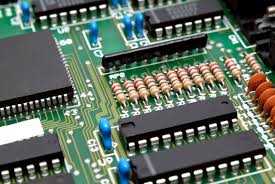
Types of Surface Finishes Used on PCB Printed Circuit Boards
Another popular surface finish is Immersion Tin, which is the same as HASL but without the lead. The tin in this type of finish is deposited on the copper using a chemical process. This type of surface finish is inexpensive and easy to apply, but has a number of disadvantages. It can cause solder bridges and is not ideal for plated through holes (PTH). It can also be a health hazard for PCB handlers due to its carcinogenic nature.
Other metal surface finishes include ENEPIG, which is known as the universal finish in the PCB industry. This is due to its compatibility with many different applications, such as reflow and wire bonding with gold, silver, or aluminum. It is also RoHS compliant. ENEPIG offers a flat surface for soldering and is suitable for fine-pitch components. However, it is susceptible to tarnishing, and therefore needs to be packaged in anti-tarnish materials as soon as possible after production.
One of the more environmentally friendly options is Organic Solderability Preservatives (OSP). This is a water-based organic finish that protects exposed copper surfaces on a pcb before assembly. The OSP coating prevents oxidation and is compatible with many different soldering methods. It is a good option for PCBs that will be stored or shipped for extended periods of time, as it offers a higher level of moisture resistance.
Other non-metallic surface finishes include a variety of hybrid options. For example, some pcbs are coated with a graphene nano-coating to improve their electrical conductivity and thermal stability. These types of coatings are often used on pcbs that will be subjected to harsh environments and fluctuating temperatures. Other pcbs are coated with an electroless nickel immersion gold (ENIG) or electroless palladium immersion gold (ENEPIG). This type of finish is more expensive than others, but it offers a high level of conductivity and can withstand reflow and wire bonding. Whether you require a basic bare copper, HASL, or ENEPIG surface finish, Sierra Circuits can help you make the right decision.


