

role of pitch and size in the efficiency of drone propellers
The efficiency of a drone is significantly influenced by the performance of its propellers. Drone propellers are critical components that directly affect how well a drone performs in terms of speed, stability, and energy consumption. Among the various factors that determine the efficiency of drone propellers, pitch and size play crucial roles. Both of these characteristics impact how the drone interacts with the air, how much lift it generates, and how much power is required to maintain flight. Understanding the relationship between pitch, size, and efficiency can help drone operators select the ideal propellers for specific applications, whether for racing, photography, or recreational flying.
The pitch of a drone propeller refers to the angle of the blades in relation to the direction of flight. It essentially determines how much air the propeller “pushes” per rotation, affecting the drone’s thrust and speed. A higher pitch means the blades are angled more steeply, which results in the propeller pushing more air with each turn. This generally leads to greater speed, making higher-pitch propellers ideal for racing drones or applications where speed is a priority.
However, higher pitch also requires more power to maintain speed, potentially reducing the drone’s efficiency in terms of battery life. Conversely, a lower pitch results in less air being pushed per revolution, which may reduce speed but increase efficiency by requiring less power. For drones used in aerial photography or videography, where smooth and stable flight is more important than speed, lower-pitch propellers are often preferred.
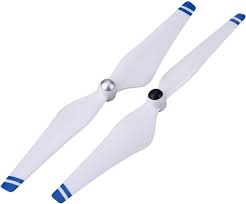
What is the role of pitch and size in the efficiency of drone propellers?
The size of drone propellers, usually measured by their diameter, also plays a significant role in a drone’s efficiency. Larger propellers can generate more lift because they move a greater volume of air. This additional lift can improve the stability and control of the drone, making it easier to fly, particularly in windy conditions or when carrying heavier payloads, such as cameras or sensors.
However, larger propellers require more power to spin, which can reduce overall efficiency if not paired with an appropriate motor. On the other hand, smaller propellers consume less power, making them more efficient in terms of battery usage, but they also produce less lift and may struggle to carry heavier loads or maintain stability in challenging flying conditions. Therefore, the size of the propellers must be carefully selected to match the weight and power requirements of the drone.
Pitch and size also influence the drone’s overall flight characteristics, including its ability to climb, accelerate, and maneuver. A drone with larger propellers and a higher pitch will likely perform well in terms of raw power and speed, but it may not be as nimble or energy-efficient as a smaller, lower-pitched setup. For example, racing drones often use smaller, higher-pitched propellers to achieve maximum speed and agility. In contrast, drones used for surveying or mapping, which require stable flight over long periods, may benefit from larger, lower-pitch propellers that offer improved lift and better energy efficiency.
Furthermore, the material of the drone propellers can also impact efficiency in conjunction with pitch and size. Propellers made from lightweight, durable materials such as carbon fiber are often more efficient than those made from heavier plastic. They can maintain their shape and strength at higher speeds, ensuring better performance in both high-pitch and large-size configurations.
In conclusion, both pitch and size are key factors in determining the efficiency of drone propellers. The pitch influences the amount of air moved with each rotation, impacting the drone’s speed and power consumption, while the size determines the lift generated by the propellers, affecting stability and battery life. Choosing the right combination of pitch and size for a drone depends on the specific use case, balancing speed, lift, and energy efficiency to optimize performance. Understanding how these factors interact is essential for selecting the best drone propellers for any given application, whether for fast-paced racing or stable, energy-efficient flight for aerial photography.


